DeWalt DCW210B Review: Cordless Random Orbit Sanding Without the Trade-Offs
The DCW210B makes cordless random orbit sanding practical for real furniture work — not just touch-ups. Variable speed, brushless motor, and 8-hole dust collection where it needs to be.

Affiliate Notice: This guide contains affiliate links. We earn a commission if you buy through these links. See our disclosure.
Quick Verdict
Cordless sanders were a category I was skeptical about longer than I should have been. A sander runs continuously under light-to-moderate load — exactly the condition where battery drain is most predictable and runtime most limited. But after using the DCW210B through several furniture builds, I don't reach for my corded sander much anymore.
Here's what the brushless motor and platform consolidation actually get you, and where the limits still show up.
Why the Brushless Motor Matters on a Sander
A random orbit sander under load isn't doing dramatic work, but it is running continuously for long sessions. Brushed motors generate heat doing this, and a hot motor pads slower — you end up pushing harder to compensate, which defeats the purpose of random orbit action.
The DCW210B's brushless motor holds pad speed consistent through extended passes. I've sanded full tabletop panels in oak and walnut without noticing the pad slow between grits, even on the same battery charge. That consistency matters for surface quality: a sander running at full speed leaves a different scratch pattern than one laboring at half speed.
Runtime is also genuinely practical. A 2Ah battery gets me through a normal sanding sequence on a furniture piece — rough through finish grits on all the parts — before needing a swap. For production sanding of multiple pieces, you'll want a second battery in the charger.
Variable Speed: Use It for More Than You Think
The variable speed range (8,000–12,000 OPM) sounds like a spec detail but pays off in two specific situations.
Between-coat sanding. After a finish coat, you're knocking down nibs and leveling without cutting through. Full speed is aggressive. Dropping to 8,000–9,000 OPM gives you more control on surfaces where removing too much is a real risk.
Delicate hardwoods and figured grain. On highly figured maple or quartersawn oak, high-speed sanding can create more swirl marks than lower-speed passes in the same grit. Running slower on the final passes before finish has improved my surface prep noticeably.
The dial doesn't have detents, so there's no clicking into a specific position. I set mine by feel and verify by ear — it's workable but a detent at each speed increment would be a real improvement.
How It Compares to the Bosch ROS20VSC
I reviewed the Bosch ROS20VSC separately, and these two tools are genuinely close. The Bosch is corded and costs less. For sanding large flat panels repeatedly — dining tables, sheet goods — the Bosch wins on cost and unlimited runtime.
The DCW210B wins on freedom of movement. Sanding inside a cabinet box, reaching across an assembled frame, moving from bench to sawhorse to floor without repositioning a cord — these are the jobs where cordless changes the quality of the work, not just the convenience.
If I had to pick one, I'd pick based on the work: production flat-panel sanding goes to the Bosch, assembled furniture and moving work goes to the DCW210B.
Dust Collection
The included dust bag catches a fair percentage of dust for short sessions. For real finishing work, connect it to a shop vac — the 8-hole pad design extracts well through the vac, and the difference in air quality is significant.
One practical note: without the dust hose, the DCW210B is fully untethered. For quick passes and field work, the bag-only setup is genuinely useful. For a full sanding session in the shop, I always run the vac hose.
Weight and Handling
At 2.8 lbs bare, the DCW210B is light enough to sand overhead and on vertical surfaces without significant fatigue. Sanding a cabinet door in place or smoothing the underside of a shelf is noticeably more comfortable than with a heavier sander.
With a 5Ah battery the weight goes up, but for sanding — where you're holding the tool continuously — a 2Ah compact battery is almost always the better pairing.
Bottom Line
The DCW210B earns its place on the 20V platform because it doesn't feel like a compromise. The brushless motor maintains performance, variable speed is practical for finish work, and the weight makes extended use comfortable. If you already own DeWalt 20V MAX batteries, this is one of the easier additions to justify.
Also worth comparing: the Bosch ROS20VSC review for corded random orbit sanding, and the Festool ETS 125 REQ review if your work demands the highest dust extraction standard. Use the tool finder or compare sanders side by side.
Shop DeWalt DCW210B on Amazon↗You Might Also Like
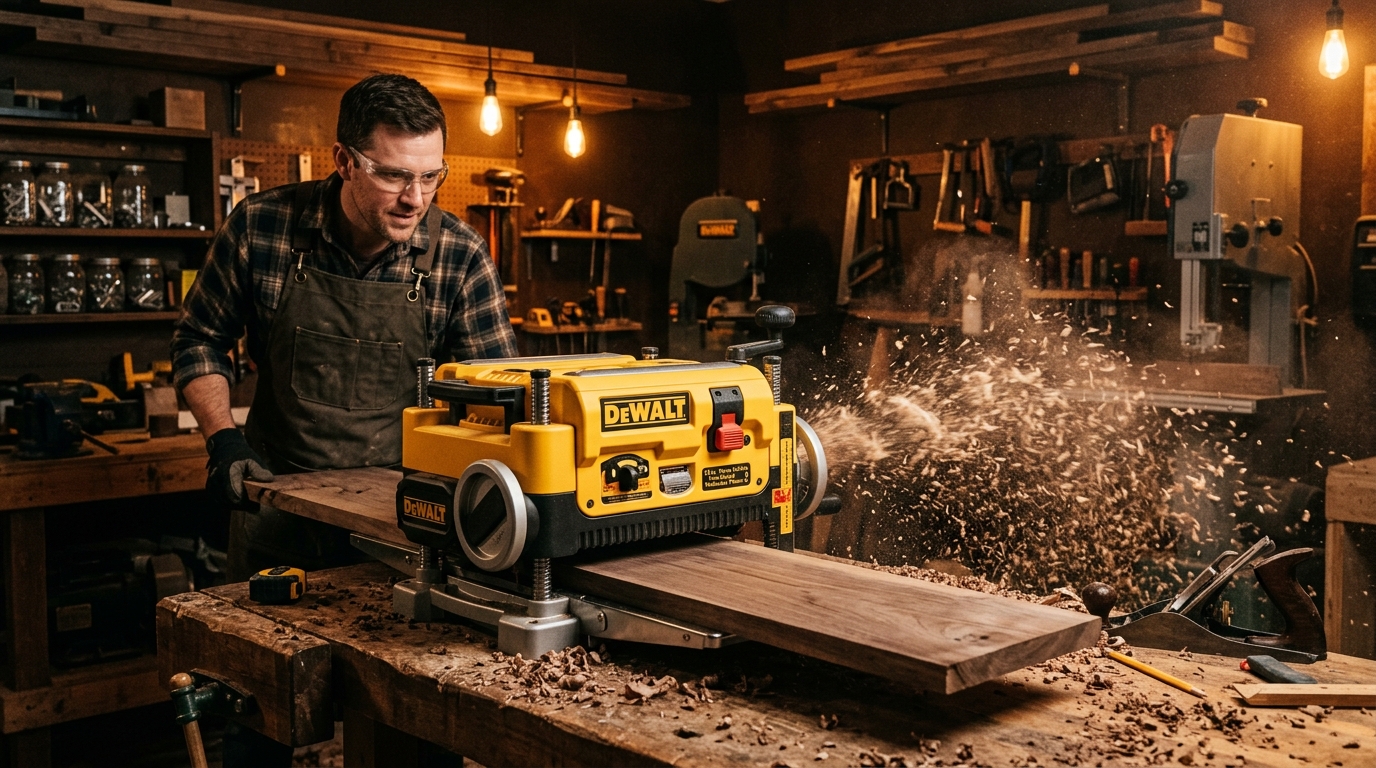
DeWalt DW735X 13-Inch Planer Review: The Bench Planer Most Woodworkers Should Own
The DeWalt DW735X is a 13-inch, two-speed benchtop planer with a three-knife cutter head that handles hardwood surfacing without hesitation. Here's how it performs in a working shop.
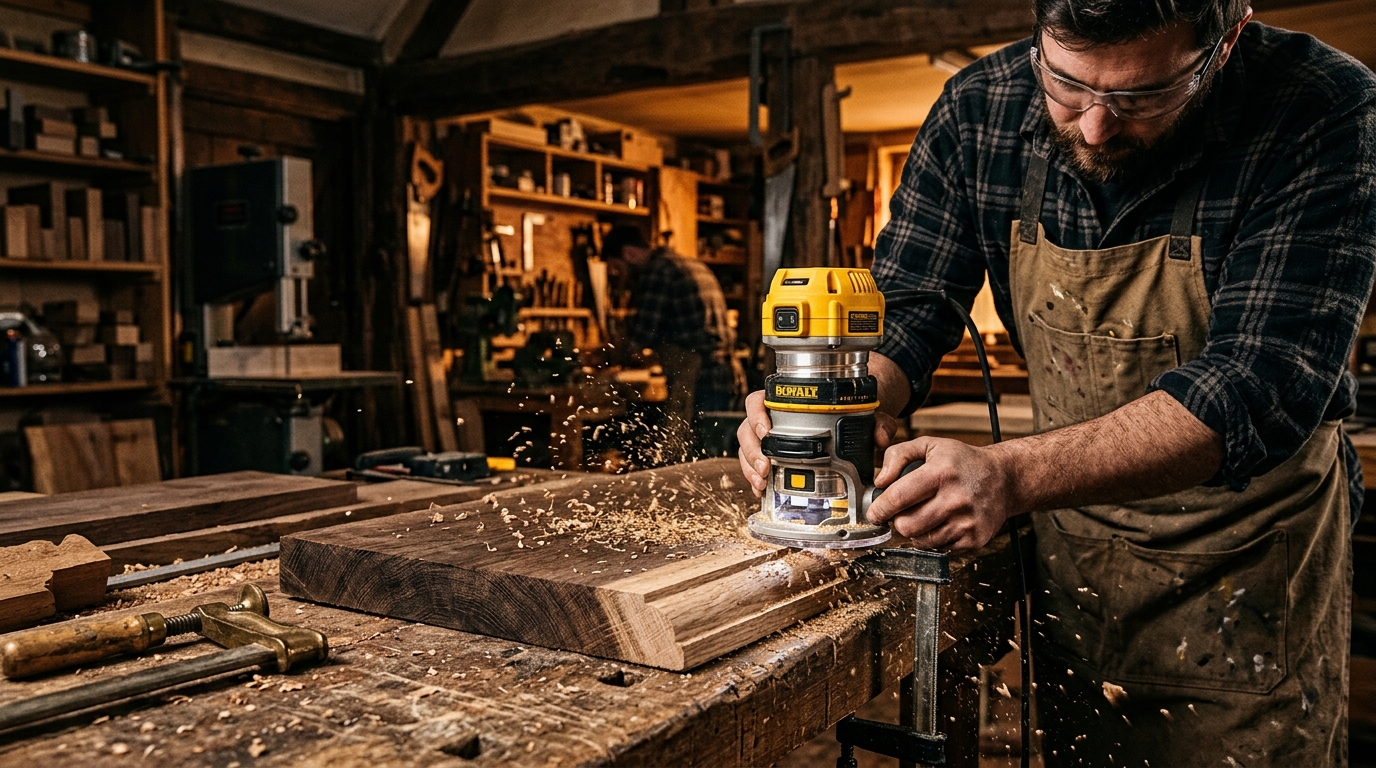
DeWalt DWP611PK Compact Router Review: The Fixed/Plunge Combo That Actually Works
The DeWalt DWP611PK gives you a fixed base and plunge base for $169 — making it one of the best-value router setups for woodworkers who want versatility without spending $300+.
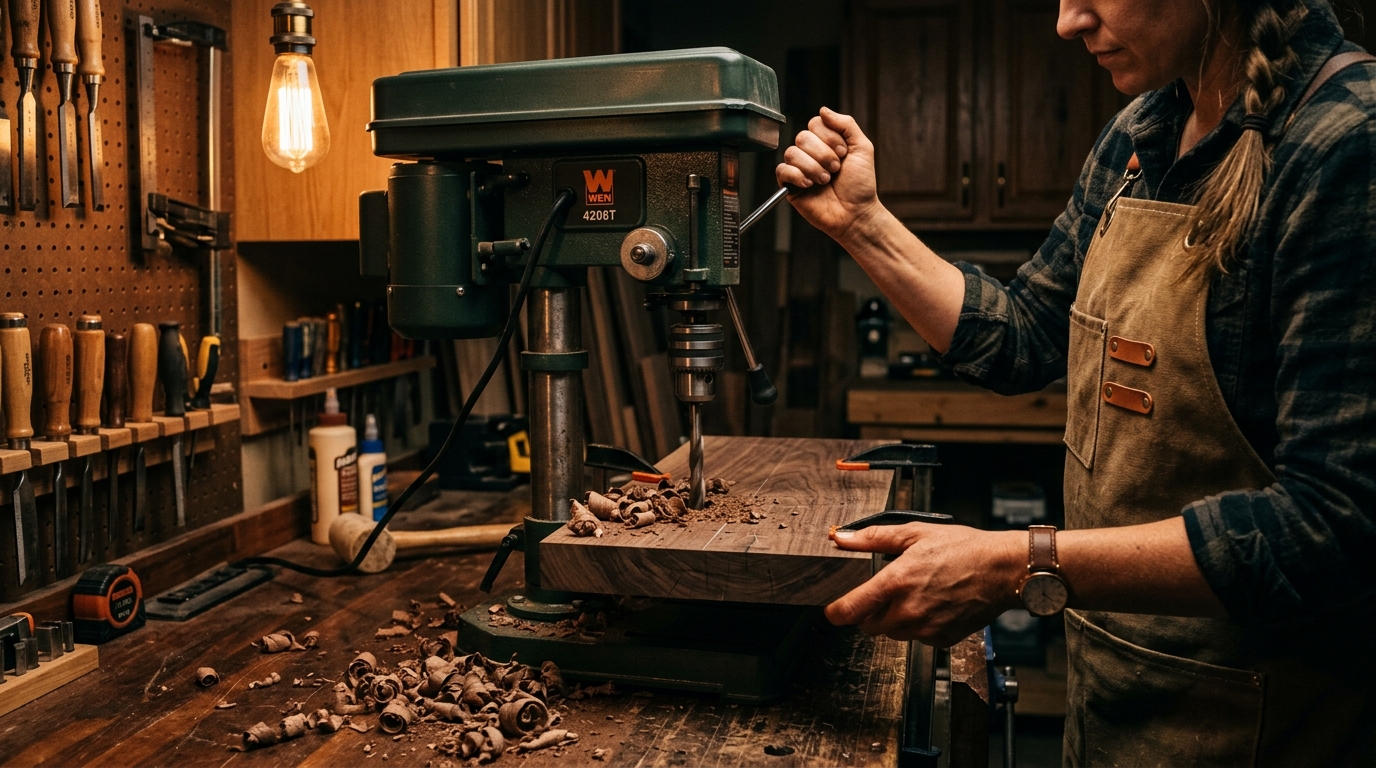
WEN 4214T 12-Inch Drill Press Review: The Best Budget Drill Press You Can Actually Buy
The WEN 4214T is a 12-inch variable speed benchtop drill press with laser, LED, and cast iron construction for under $200. Here's how it holds up in a real shop.